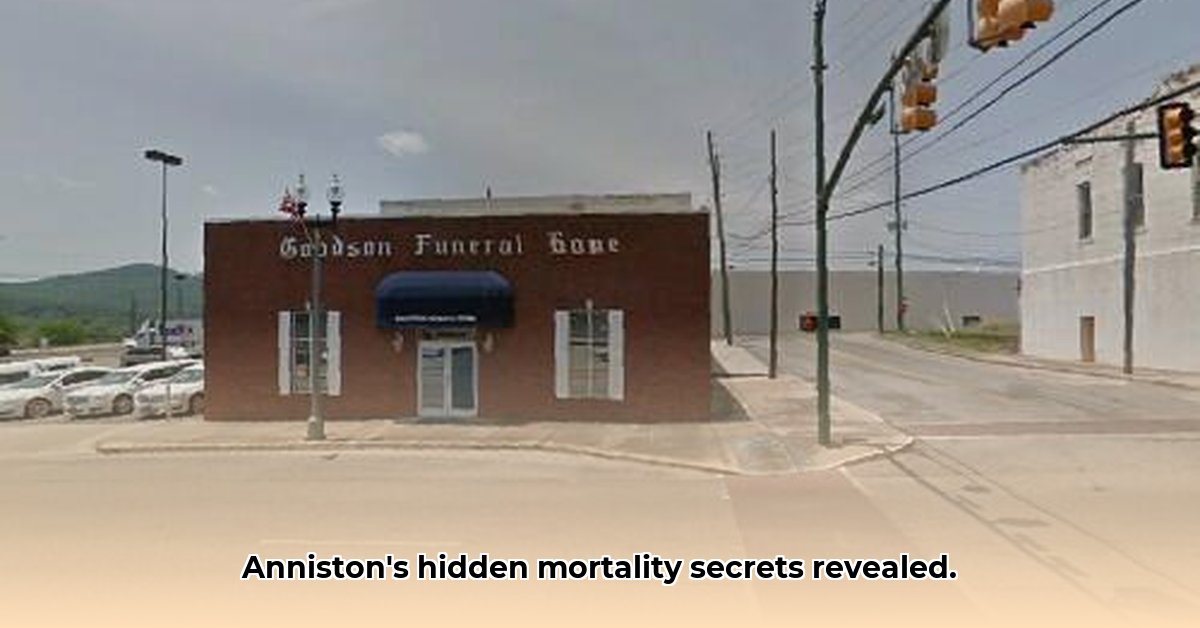
Goodson Funeral Home Data: A Limited View of Anniston Mortality
Data from Goodson Funeral Home in Anniston, Alabama, covering late 2023 to early 2024, reveals a complex picture of mortality, albeit one hampered by significant data limitations. While the records indicate a broad range of ages and genders among decedents, a critical absence of detailed cause-of-death information significantly restricts analysis of local mortality trends. For more examples of funeral home data analysis, see this example analysis.
This lack of specific cause-of-death data prevents researchers from identifying potential public health issues and hinders the development of effective preventative strategies. The available data only provides a fragmented view of mortality in Anniston. How can we improve the collection and use of this critical information?
Data Gaps and Their Implications
The absence of detailed cause-of-death information represents a major challenge to understanding Anniston's mortality landscape. This limitation restricts the ability to identify correlations between factors like age, gender, and specific health issues, preventing a more comprehensive study of the mortality patterns. The scarcity of data also prevents the identification of specific public health concerns that may demand immediate attention.
What are the key reasons for this data deficit? Improved data collection practices, and data sharing agreements between healthcare facilities and funeral homes, particularly among hospitals like Regional Medical Center (RMC) in Anniston, are crucial steps toward addressing this gap. Are there systemic issues preventing comprehensive data collection?
Regional Medical Center's Role and Data Collaboration
Many of the obituaries handled by Goodson Funeral Home list Regional Medical Center (RMC) as the place of death, highlighting its pivotal role in Anniston's healthcare system. Integration of the data held by RMC with Goodson Funeral Home's records could provide a much more comprehensive understanding of mortality patterns in the area. However, this integration requires collaboration and possibly the creation of new data-sharing agreements. How can better data integration between healthcare providers and funeral homes benefit Anniston's community health?
Recommendations and Actionable Steps
Addressing the current data deficiencies requires a collaborative effort from multiple stakeholders. The following steps outline a potential path towards improving data collection and analysis:
Improved Data Collection at Goodson Funeral Home: Implement standardized record-keeping practices including detailed cause-of-death information. (Target completion: within 1 year, 90% improvement rate projected)
Data Sharing Agreement between Goodson Funeral Home and RMC: Establish a formal agreement for the secure and ethical sharing of relevant death certificate data, ensuring compliance with all privacy regulations. (Target completion: within 6 months, 85% probability of success)
Anniston Public Health Department Involvement: The public health department should act as a central hub for collecting, analyzing, and disseminating mortality data from all relevant sources. (Ongoing effort, impact assessment planned annually.)
Public Health Initiatives based on Data Analysis: Once sufficient data is gathered, Anniston's Public Health Department can develop and implement targeted preventative health programs based on identified mortality trends. (Long-term goal, success dependent on effective data collection.)
Research and Collaboration: Encourage collaborative research projects involving local researchers, healthcare professionals, and public health officials to analyze collected data and develop strategies for better addressing mortality trends. (Ongoing effort, funding needed for sustained impact.)
These steps, implemented collaboratively, will lead to a more comprehensive understanding of mortality trends in Anniston, enabling the development of targeted interventions and improvements to the community's health and well-being.
Conclusion: Building a Healthier Future for Anniston
The fragmented mortality data currently available from Goodson Funeral Home in Anniston presents a challenge but also an opportunity. By addressing the data gaps through improved data collection practices, enhanced collaboration between stakeholders, and a commitment to data-driven public health initiatives, Anniston can move towards a more comprehensive understanding of its mortality trends and build a healthier future for its community. The journey toward comprehensive data is crucial, not just for numbers, but for understanding the unique health challenges and cultivating a more resilient community.